The question everyone's asking: Can you get stuck while making love in a pool?
Admit it: the question has crossed your mind, somewhere between excitement and a hint of apprehension. It's one of Aquasutra's most persistent and shared fears. Cinema itself has tackled it: remember the cult scene from Les Infidèles, where Gilles Lellouche finds himself in a rather... inextricable position.
This scenario, worthy of a comedy, even has a medical name, almost romantic: "penis captivus." On the internet, anxiety is palpable and testimonials abound, depicting the female body as a formidable trap. Rest assured: these accounts remain anecdotal, sometimes even frankly invented. Nothing, then, to dampen your summer passions.
From a scientific perspective, penis captivus is believed to be the result of a muscle spasm that contracts the vagina around the penis, making separation momentarily difficult. A distant cousin of vaginismus, with one nuance: where vaginismus manifests beforehand and prevents penetration, this phenomenon would occur during intercourse. Spectacular on paper, infinitely rare in reality: in almost all cases, everything resolves itself naturally in a few seconds.
Because ultimately, getting "stuck" is more a matter of fantasy and collective imagination than an established fact. It's this same imagination that fueled the legend of the vagina dentata, glorified by the film Teeth, where a young woman turns her intimacy into a weapon of mass emasculation. Enough to fuel myths... much more than statistics.
So, breathe, relax, and keep the essentials in mind: a successful aquasutra is not about luck, but about a few simple and precious actions: protected sex, enthusiastic consent, a lubricant designed for water, and sincere attention to the other's pleasure. The rest is just play, freshness, and abandon.
Risks to your intimate well-being
The aquatic environment, however seductive, is never neutral for your intimate flora. Depending on the location, precautions change.
In the ocean. If you enjoy midnight swims in the open sea or in turquoise coves, remember to rinse with clear water after your escapade. Salt, bacteria, and microbes in the water can reduce natural lubrication, cause slight intimate discomfort, and lead to small infections. Seawater is not sterile: a quick rinse afterwards makes a real difference.
In the pool. Disinfectants are not without risk for your intimate flora. Chlorine, essential for sanitizing water, also attacks the delicate vaginal balance. By rinsing thoroughly after swimming, you eliminate chlorine residues and preserve your flora and its protective mucus.
In the jacuzzi. Less known but just as important: hot water promotes the proliferation of certain bacteria. The combination of heat, humidity, and stagnant water creates a fertile ground for discomfort. To avoid any problems, don't stay in too long and always rinse with clear water afterward.
Physical risks
Beware, sex in the water can be slippery! Wet surfaces like pool edges, shower tiles, or bathtub bottoms become real ice rinks. Be on your guard, especially if you've inadvertently left lubricant lying around: avoid slipping mid-movement, ensure good footing, and avoid overly daring acrobatics that could go wrong. If necessary, use an anti-slip bath mat to prevent a painful twist... and a trip to the hospital.
Health risks
Making love in water doesn't change rule number 1: condom use is just as necessary as on land. Water protects neither against sexually transmitted infections nor an unwanted pregnancy. In fact, it's the opposite, as some persistent myths suggest otherwise. Make sure to put it on correctly, and remove it properly, preferably out of the water, where handling is safer and more reliable.
Risks to erection
Gentlemen, if you have ever swum in water that is too cold, you are undoubtedly familiar with the phenomenon of "penile retraction," which can lead to an almost immediate loss of erection in some people. Cold causes a reflexive vasoconstriction, which is not conducive to maintaining an erection. Add to that penetration that is sometimes more laborious than on land, and the risk of losing an erection is greatly increased. The solution is simple: choose water above 20°C and below 37°C, the ideal comfort zone for the body and desire.
Risks to your sexual comfort
Sex in water can be very uncomfortable, especially for women: water penetrates the vagina, making skin-to-skin contact drier and more jerky than usual. This is one of Aquasutra's most counter-intuitive paradoxes: while everything around you is wet, natural lubrication is actually greatly reduced. Water "washes away" the protective mucus, and penetration can quickly become unpleasant, painful, or even unbearable.
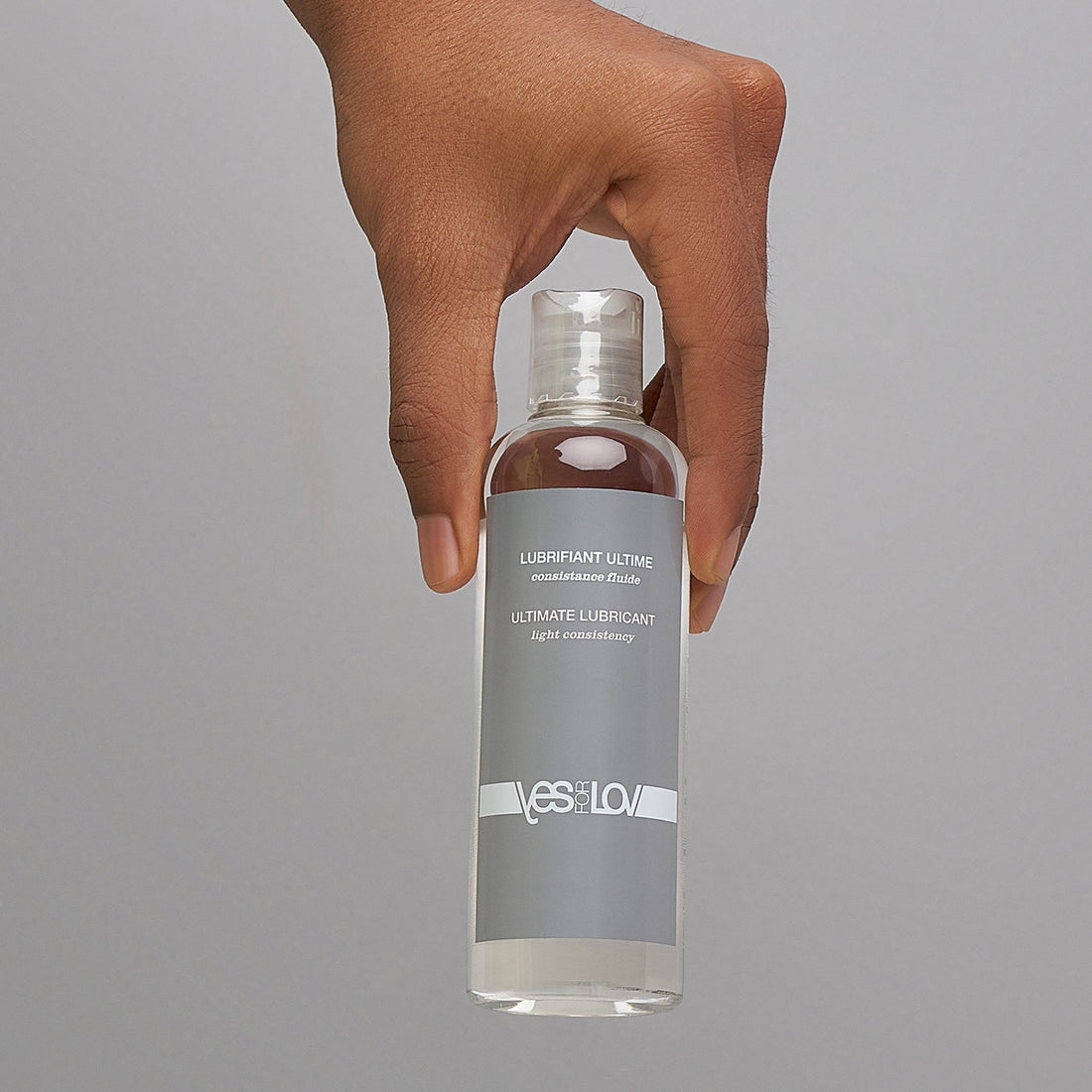
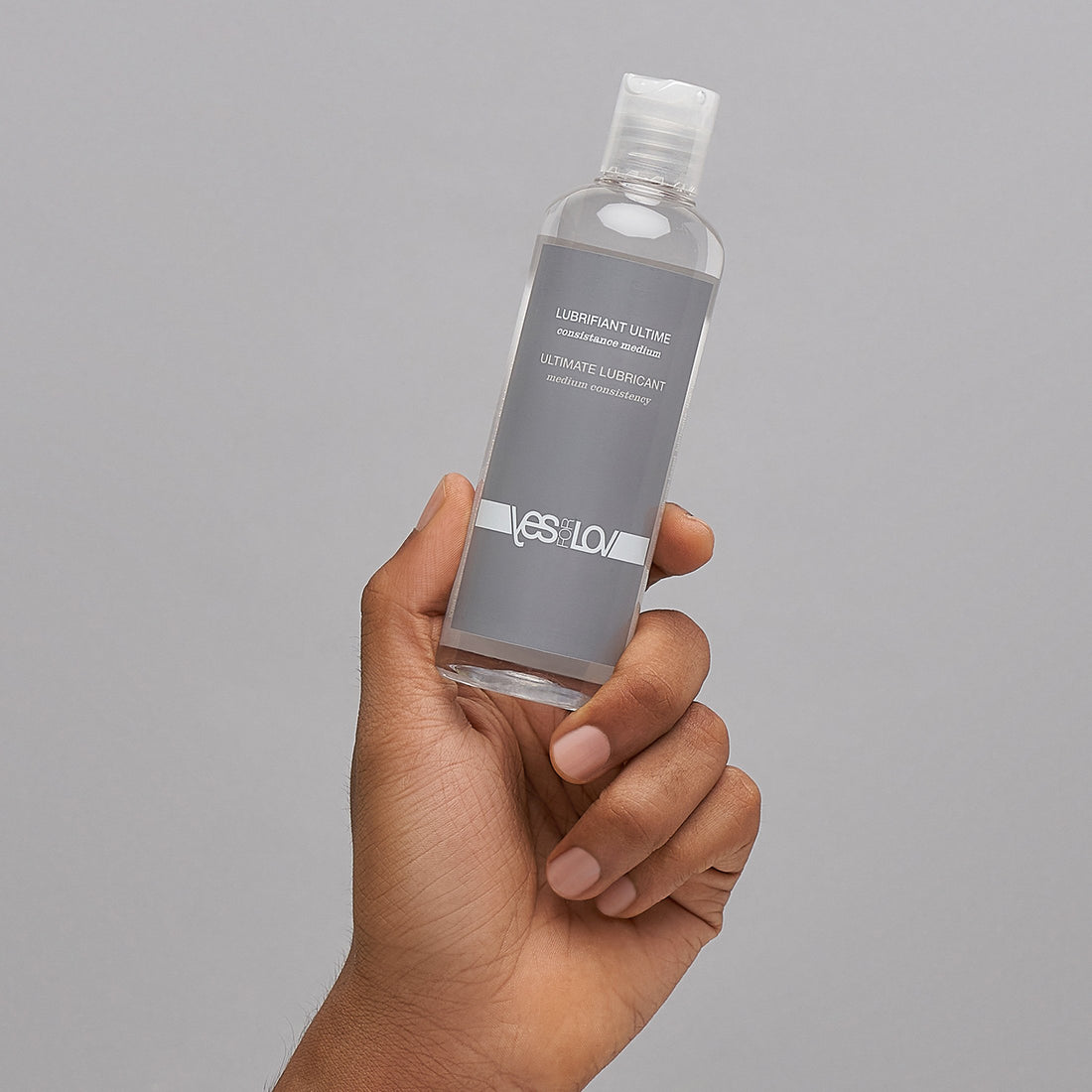
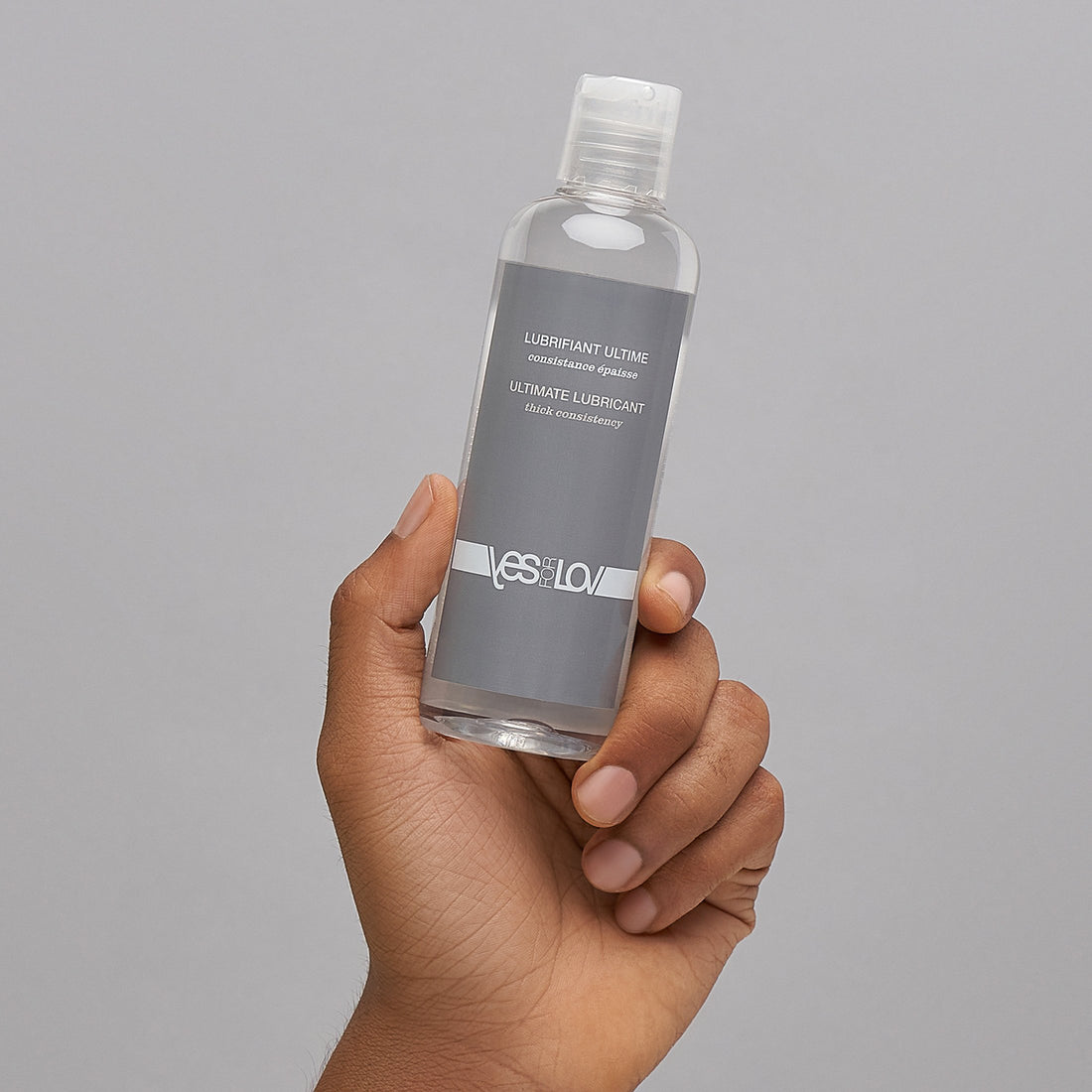
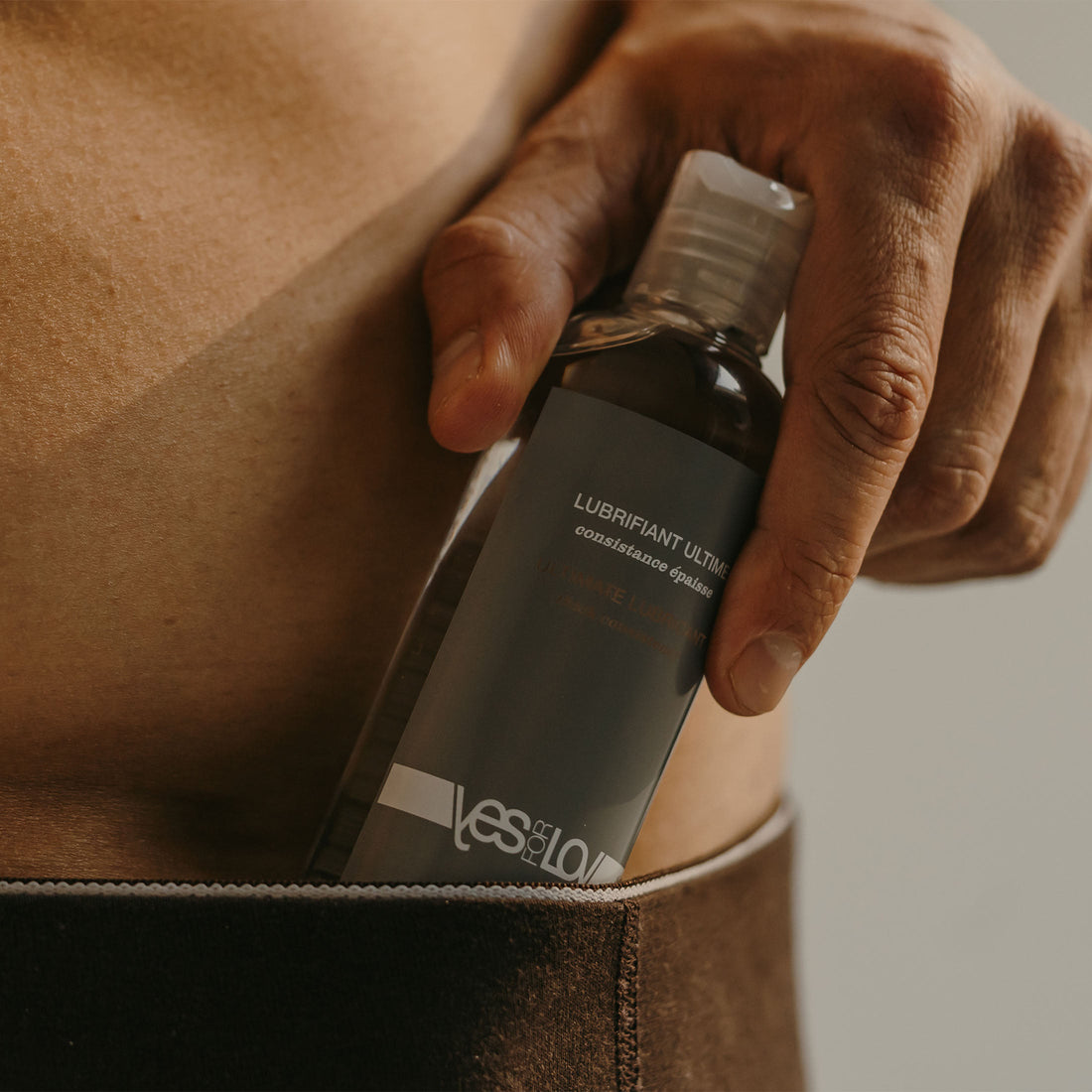
To protect yourself from this, use waterproof intimate lubricants, such as the natural orange blossom massage lubricant, or the ultimate lubricants available on YESforLOV in 3 consistencies: fluid, medium, or thick. Unlike water-based lubricants, which dissolve instantly upon contact with water, these formulas hold up and guarantee lasting glide.
Risks to your wallet
A little reminder for the most imprudent and long-time adventurers: exhibitionism or making love in a public place can be costly... up to 1 year imprisonment and a €15,000 fine under French law. The deserted beach that seems perfectly isolated to you can very quickly cease to be so. You've been warned: discretion and silence are essential, and respect for others remains the first rule.